
Architecture
Architecture of Polish Market Halls
A survey of the structural and stylistic evolution of purpose-built market halls across Polish cities, from Gothic cloth halls to nineteenth-century iron structures.
From the medieval rynek to the reconstructed post-war square, Polish market spaces reflect eight centuries of civic, commercial, and architectural development.

Three focused studies on specific aspects of Polish market architecture, layout, and spatial evolution.
A survey of the structural and stylistic evolution of purpose-built market halls across Polish cities, from Gothic cloth halls to nineteenth-century iron structures.

How the rynek — Poland's central civic square — transformed in function and form across different periods, from trading hub to post-war reconstruction site.
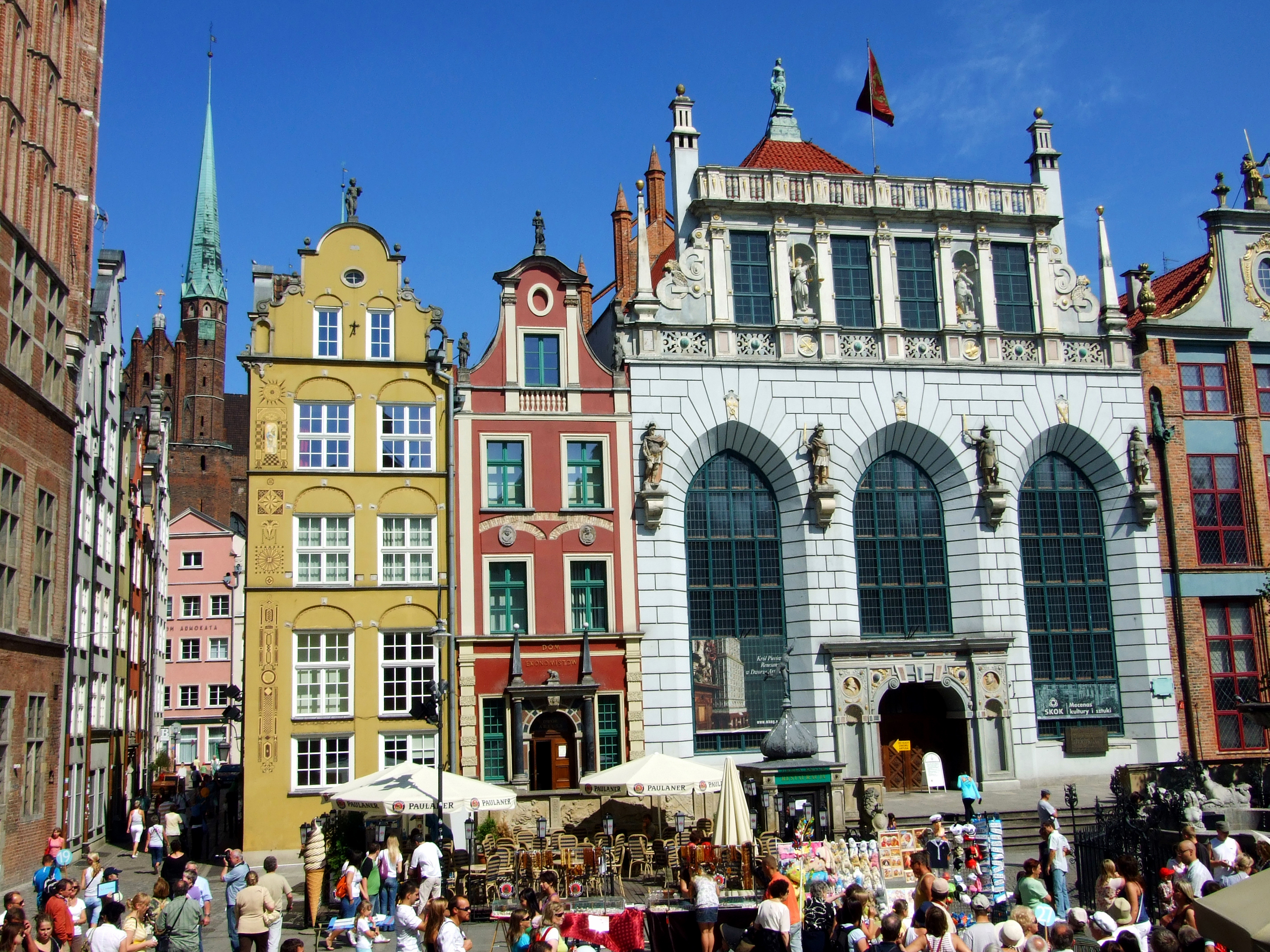
An analysis of the spatial logic behind medieval market planning in Polish towns, including plot divisions, street alignments, and the placement of permanent stalls.
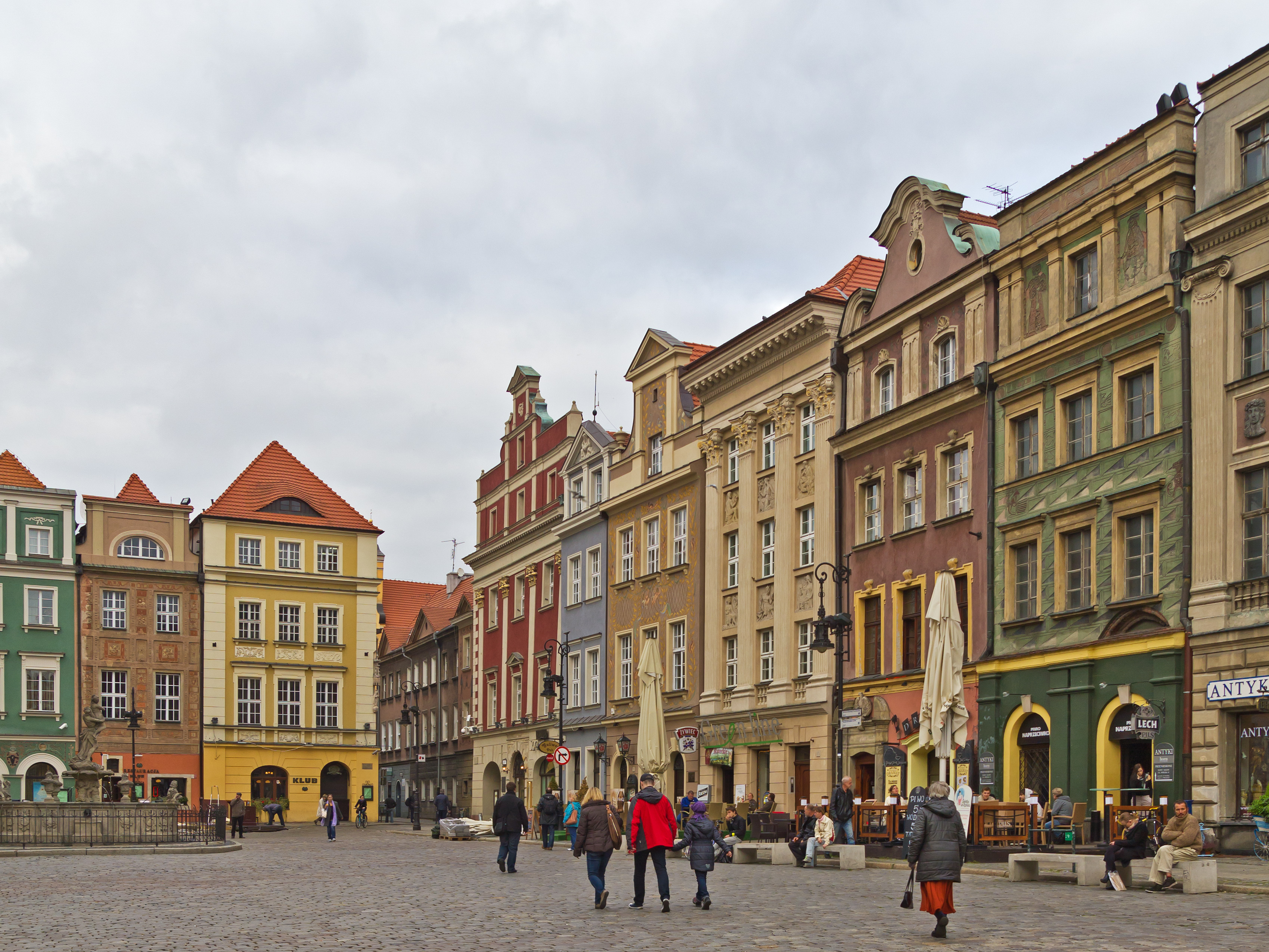
The Stary Rynek in Poznań is one of the largest medieval market squares in Central Europe, measuring roughly 140 by 140 metres. Its current layout reflects a thirteenth-century location plan that established plot boundaries still visible in the built fabric today.
The square's Renaissance town hall, rebuilt by Giovanni Battista di Quadro between 1550 and 1560, introduced an arcaded loggia that influenced subsequent market hall design across the region. The surrounding burgher houses were rebuilt after wartime destruction, with facades restored according to historical records.
Read the full article on public squaresTown Merchant Daily documents the architectural and spatial history of Polish market squares. Content is compiled from publicly available historical records, academic sources, and photographic archives.
For factual corrections, source references, or editorial inquiries, use the form on this page.
Town Merchant Daily